
Fuel Polishing Service
Fuel Polishing
Fuel polishing helps improve stored fuel quality by removing water, sludge and other contaminants that can affect performance.
At J W Hinchliffe Tanks, we provide fuel polishing services for commercial fuel storage systems across the UK. This service is often used where fuel has been stored for extended periods, where contamination is suspected, or where fuel quality needs to be improved before it is returned to use.
In many cases, fuel polishing is recommended after fuel sampling has identified a problem. As a result, it can be a practical way to reduce equipment issues, improve fuel condition and support more reliable operation.
Need advice on fuel polishing? We can advise on the most suitable next steps for your site.
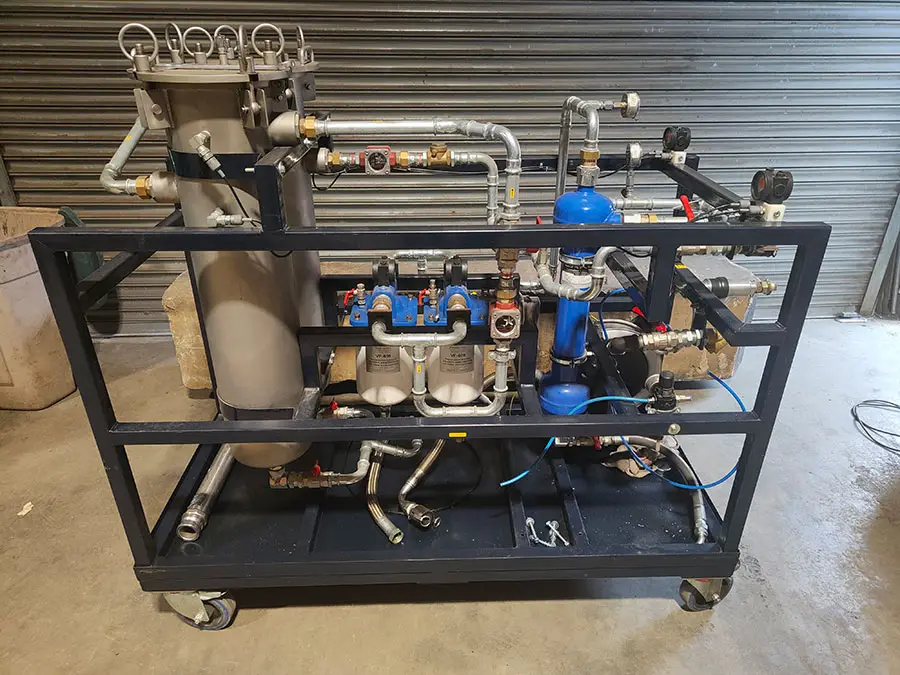
Fuel Polishing at a Glance
- Fuel polishing for stored commercial fuel
- Removal of water, sludge and particulates
- Helps address diesel bug and fuel contamination
- Suitable for long-term stored fuel and backup systems
- Often recommended after fuel sampling
- Can be combined with tank cleaning for better results
- Independent lab analysis on completion
- Nationwide service across the UK
Why Choose J W Hinchliffe for Fuel Polishing?
Businesses choose J W Hinchliffe Tanks because we provide a practical, safety-led service designed around the condition of the fuel, the tank and the wider site requirements.
More than 50 years of commercial tank industry experience
Specialist equipment for a wide range of fuel volumes
Fuel polishing combined with tank cleaning where needed
Practical project management from start to finish
Independent lab analysis for quality assurance
Nationwide commercial tank support
Customer Testimonials
See what customers say about working with J W Hinchliffe Tanks. Read our Google reviews for recent feedback on our commercial tank services.
Our Fuel Polishing Process
Although every site is different, fuel polishing usually follows a clear process.
Initial Review
First, the key details about the fuel, the tank and any known concerns are gathered. This helps determine whether fuel polishing is likely to be the right approach.
Assessment of Fuel Condition
Next, the condition of the fuel is reviewed. In many cases, this follows fuel sampling or concerns about fuel quality, contamination or equipment performance.
Fuel Polishing
The stored fuel is then filtered and polished using suitable equipment to remove water, sludge and particulates. The aim is to improve fuel quality before it is returned to service.
Tank Cleaning Where Needed
Where appropriate, the tank can also be cleaned as part of the process. This helps reduce the risk of contaminants remaining inside the tank and affecting the polished fuel when it is returned.
Sampling and Verification
Once the polishing work is complete, a further fuel sample can be taken for independent laboratory analysis to confirm the condition of the fuel.
Why Clean Fuel Still Needs a Clean Tank
Clean fuel can quickly become contaminated again if it is returned to a dirty tank.
For that reason, tank condition is an important part of any fuel polishing project. If sludge, water or residue remains inside the tank, the benefits of polishing may be reduced. Therefore, combining fuel polishing with tank cleaning is often the best way to achieve a better long-term result.
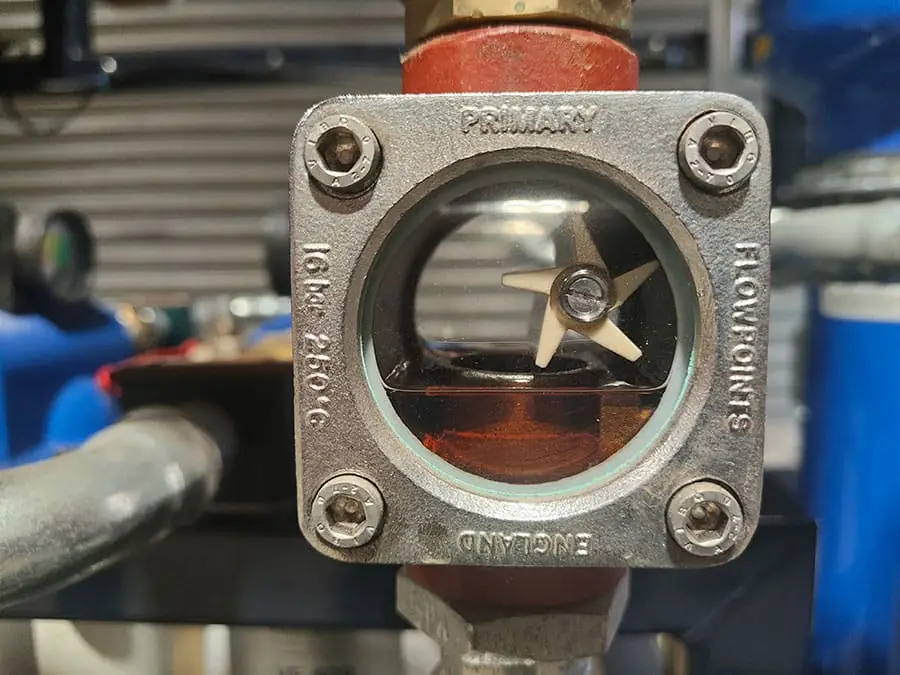
Independent Lab Analysis and Quality Assurance
Fuel polishing should not stop at filtration alone.
Where required, a follow-up fuel sample can be sent for independent laboratory analysis after the polishing process is complete. This provides clearer confirmation of the fuel condition and gives the site greater confidence in the quality of the stored product.
What We Need to Quote
To quote for fuel polishing, we usually only need a few key details.
In many cases, basic site and tank information is enough for an initial assessment.
- Approximate volume of fuel to be polished
- Tank size or capacity
- The type of fuel stored
- Whether contamination has been confirmed or is only suspected
- Whether fuel sampling has already been carried out
- Whether tank cleaning may also be required
- Photos of the tank and access points where available
- The site location
Compliance and Quality Considerations
Fuel polishing should be planned around safe fuel handling, site conditions and the most suitable approach for the stored product.
Clear reporting and, where required, independent lab analysis help confirm the outcome of the work. In addition, where flammable fuels are involved, site-specific controls should reflect relevant HSE DSEAR guidance.
Fuel Polishing FAQs
Fuel polishing is most useful when fuel has been stored for long periods or when contamination is suspected. In many cases, fuel sampling is the best way to confirm whether polishing is likely to help.
Fuel polishing helps remove water, sludge and particulates from stored fuel. As a result, it can improve fuel quality and reduce the risk of fuel-related equipment problems.
Fuel polishing can help remove contamination associated with diesel bug, but tank condition also matters. Therefore, tank cleaning may be recommended as part of a wider solution.
The time needed depends on the fuel volume, tank arrangement and site conditions. In many cases, the work can be completed within a day.
Yes, fuel polishing can help reduce avoidable costs linked to contaminated fuel. For example, it may help reduce filter changes, injector issues and equipment breakdowns.
In many cases, yes, tank cleaning is recommended alongside fuel polishing. That is because returning clean fuel to a dirty tank can reduce the overall benefit of the process.
In many cases, yes, fuel polishing can be planned to minimise disruption. However, the best approach depends on the tank system and how the site operates.
A follow-up fuel sample can be taken after polishing and sent for independent laboratory analysis. This provides clearer confirmation of the fuel condition after the work is complete.
Compliance note
These FAQs provide general UK guidance. However, exact requirements can vary depending on the fuel type, storage conditions, tank condition and site layout. Project-specific advice should always be confirmed before work begins.

Nationwide Commercial Tank Services
From Scotland to Cornwall, JWH Tanks delivers top-tier commercial tank services throughout all areas of the UK. Our commitment to nationwide coverage ensures that businesses everywhere can access our expertise. Our coverage includes:
Nationwide Commercial Tank Services
J W Hinchliffe Tanks provides commercial tank services across the UK, including fuel polishing, tank cleaning, tank removal and related support services.
If you need advice on fuel polishing or the most suitable next steps for your site, contact the team with the tank details and location.