
Foam Filling Tanks
Concrete and Foam Filling Tanks
Commercial tank filling is a practical way to decommission a fuel or oil tank safely in its current position when full removal is not the best option.
At J W Hinchliffe Tanks, we provide concrete and foam tank filling services across the UK. This approach is often used where excavation would cause too much disruption, access is restricted, or the tank can be safely decommissioned in situ instead.
In many cases, the most suitable method depends on the tank size, site conditions and future plans for the area. As a result, the first step is usually deciding whether foam filling or concrete filling is the better fit for the job.
Need a quote for concrete or foam tank filling? We can advise on the most suitable next steps for your site.
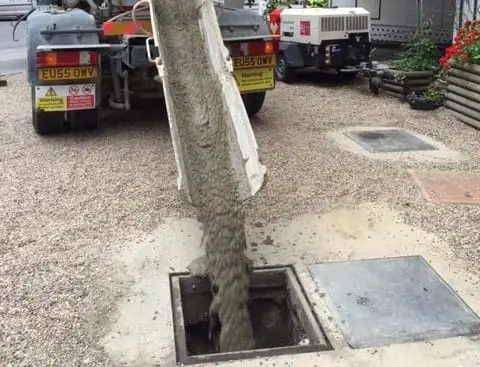
Concrete and Foam Tank Filling at a Glance
- Safe in situ tank decommissioning
- Concrete and foam tank filling options
- Suitable where tank removal is not practical
- Preparation in line with relevant industry guidance
- Support with petroleum licensing notifications where required
- Certification issued on completion
- Suitable for commercial fuel and oil tanks
- Nationwide service across the UK
Why Choose J W Hinchliffe for Tank Filling?
Businesses choose J W Hinchliffe Tanks because we provide a practical, safety-led service designed around the site, the tank and the most suitable filling method.
More than 50 years of industry experience
In-house project management and supervision
Safe systems of work tailored to each site
Competitive, transparent quotations
Efficient delivery to help keep projects moving
Certification provided once the work is complete
Customer Testimonials
See what customers say about working with J W Hinchliffe Tanks. Read our Google reviews for recent feedback on our commercial tank services.
Our Tank Filling Process
Although every site is different, concrete and foam tank filling projects usually follow a clear process.
Initial Planning
First, we gather the key details about the tank, the site and the wider project. This helps us decide on the safest and most practical approach.
Safe System of Work
Next, a safe system of work is prepared around the specific site conditions. Where required, the relevant petroleum licensing authority can also be notified before work begins.
Tank Preparation
Before the tank is filled, it is prepared appropriately so the work can be carried out safely. This may include opening access points, removing remaining product, bottoming the tank and venting it properly.
Tank Filling
The selected filling material is then introduced into the tank. Depending on the project, this may involve gravity-feeding concrete or dispensing foam through a suitable access point.
Documentation and Certification
Once the works are complete, documentation is issued to confirm the tank has been safely decommissioned in situ. Where relevant, this can also include waste paperwork.
When Foam Filling Is the Better Option
Foam filling is often the better choice where larger tanks need to be decommissioned efficiently and with minimal disruption.
Because foam typically has a lower cost per cubic metre, it can become the more economical option on larger tanks. It is also useful where future removal may still need to remain possible.
However, foam filling is not always the best fit if construction is planned very close to the tank. In that case, the wider site plans should be considered before deciding on the filling method.
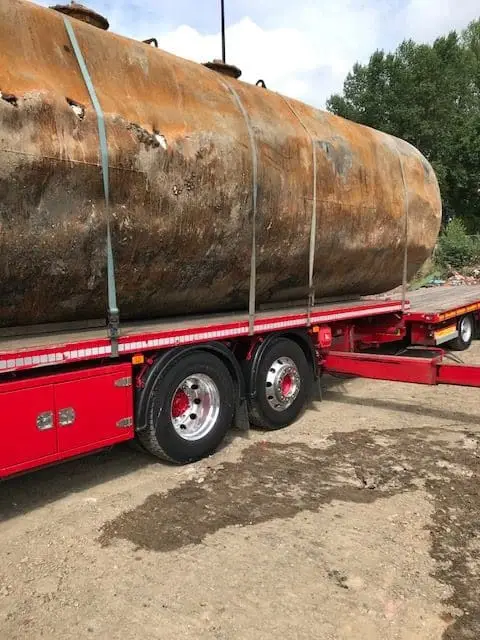
When Concrete Filling Is the Better Option
Concrete filling can be the better option where a smaller tank needs to be decommissioned in situ and the total material volume is lower.
In many cases, smaller tanks that only require a few cubic metres can be more economical to concrete fill. That is because concrete does not involve the same mobilisation costs as foam.
Therefore, concrete filling may be the more practical choice when the tank is small, access is straightforward and future excavation is less of a concern.
What We Need to Quote
To quote for concrete or foam tank filling, we usually only need a few key details.
In many cases, photos and basic tank information are enough for an initial assessment.
- Tank size or capacity
- Whether the tank is above or below ground
- The product currently or previously stored
- Whether any contents remain in the tank
- Site location
- Photos of the tank and access points where available
- Any known redevelopment or construction plans nearby
- Any timing or access constraints
Compliance and Certification
Tank filling projects should be planned around safe decommissioning, site-specific risk control and correct tank preparation.
Where petrol tanks are involved, notifications may need to be made before work starts. In addition, tank preparation should reflect relevant APEA Blue Book guidance where applicable, particularly when decommissioning underground petroleum infrastructure.
Once the project is complete, certification can be issued to confirm that the tank has been safely decommissioned in situ.
Concrete and Foam Tank Filling FAQs
The right method depends mainly on tank size, site conditions and cost. In many cases, larger tanks are more cost-effective to foam fill, while smaller tanks may be better suited to concrete filling.
The tank must be prepared safely before any filling takes place. This may include notifying the relevant authority, opening access points, removing remaining product and venting the tank properly.
Foam filling suits many fuel and oil tanks, but not every site is the same. The final decision depends on the tank type, site conditions and the wider project requirements.
Yes, a foam-filled tank can still be excavated and removed later if required. However, the work should be handled with the correct equipment and procedures.
Yes, foam filling can be an environmentally responsible way to decommission a tank in situ. It helps reduce the risk of hazardous substances being released into the surrounding ground.
In many cases, yes, concrete filling can be more cost-effective for smaller tanks. This is usually because the material volume is lower and there are no separate mobilisation costs.
Yes, certification can be provided once the tank has been safely decommissioned in situ. Where waste has been removed from site, waste paperwork can also be issued.
Yes, older solid-filled tanks can still present risks if they were not filled properly. For that reason, safe opening and venting methods are important if those tanks are revisited later.
Compliance note
These FAQs provide general UK guidance. However, exact requirements can vary depending on the tank type, fuel stored, site conditions and any future plans for the area. Project-specific advice should always be confirmed before work begins.

Nationwide Commercial Tank Services
From Scotland to Cornwall, JWH Tanks delivers top-tier commercial tank services throughout all areas of the UK. Our commitment to nationwide coverage ensures that businesses everywhere can access our expertise. Our coverage includes:
Nationwide Commercial Tank Services
J W Hinchliffe Tanks provides commercial tank services across the UK, including tank filling, tank cleaning, tank removal and related decommissioning support.
If you need advice on concrete or foam tank filling, contact the team with the tank details and location so the most suitable next steps can be discussed.