Underground Fuel Tank Removal Service
Underground Fuel Tank Removal
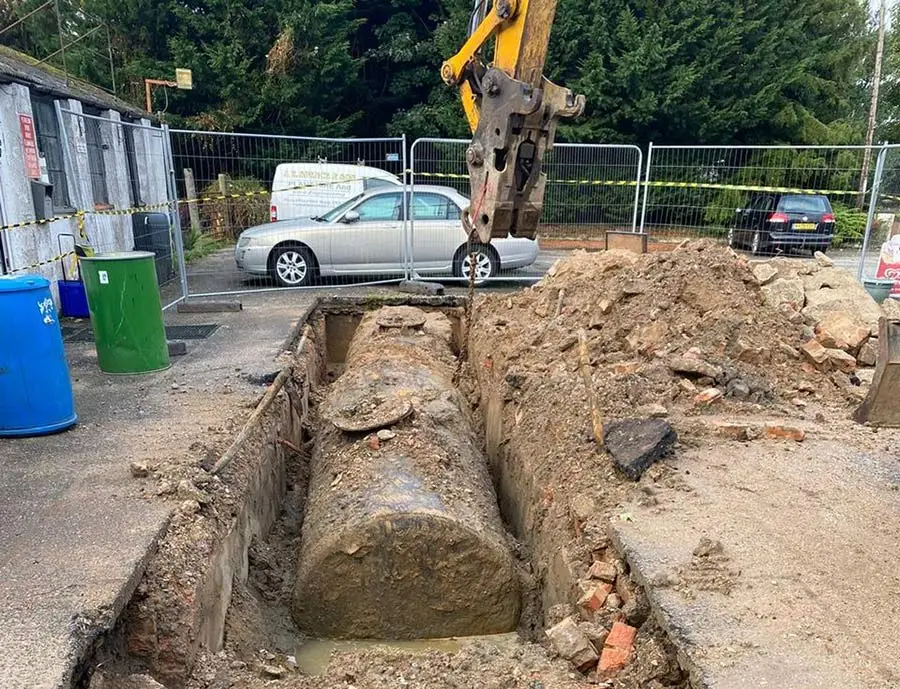
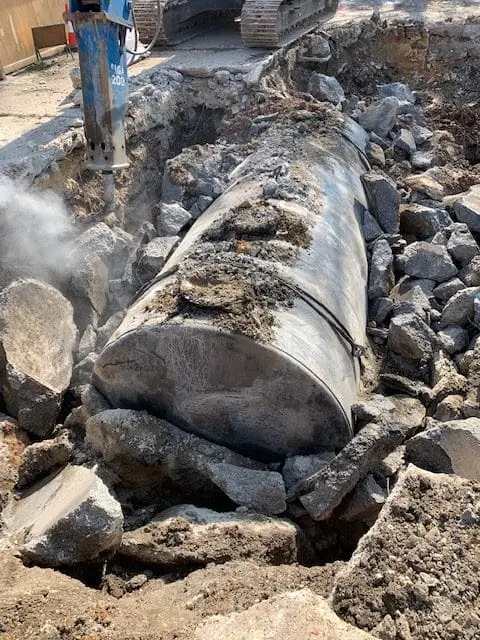
Underground fuel tank removal involves the safe excavation, cleaning and removal of buried tanks that are no longer required or have become a risk to the site.
At J W Hinchliffe Tanks, we provide underground tank removal services across the UK using our in-house team. This can include tank cleaning, gas-free preparation, excavation, uplift, waste handling and remediation support where required.
Redundant underground tanks can create environmental, safety and liability issues if left unmanaged. Where removal is the right option, we aim to deliver a safe, practical solution with minimal disruption to the site.
Underground Tank Removal at a Glance
- Nationwide underground fuel tank removal
- In-house specialist team
- Pre-removal tank cleaning and gas-free preparation
- Safe excavation and tank uplift
- Removal in sections where access is restricted
- Soil remediation and validation support where required
- Liaison with local authorities where applicable
- Alternative decommissioning options available
Why Choose J W Hinchliffe for Underground Tank Removal?
Businesses choose J W Hinchliffe Tanks because we provide a service that is practical, safety-conscious and tailored to the site.
An in-house team with nationwide coverage
More than 50 years of industry experience
Safe, practical removal methods
Support with cleaning, excavation and compliance
Soil remediation and validation reporting where needed
Customer Testimonials
See what customers say about working with J W Hinchliffe Tanks. Read our Google reviews for recent feedback on our commercial tank removal service.
OUR UNDERGROUND TANK REMOVAL PROCESS
Although every site is different, underground tank removal projects usually involve the following stages.
Initial Review and Quotation
First, we assess the tank, the site, the access and the likely scope of work. This helps us understand the safest and most practical approach.
Cleaning and Gas-Free Preparation
Next, residual fuel, sludge and waste are removed before excavation or cutting begins. This stage is essential for safe working.
Notifications and Approvals
Where required, approvals are managed before work starts, particularly for petrol-related projects. As a result, the job can move forward with the correct procedures in place.
Safe Excavation
Before excavation begins, underground services are identified and the work area is secured. This reduces risk and helps protect the surrounding site.
Tank Removal
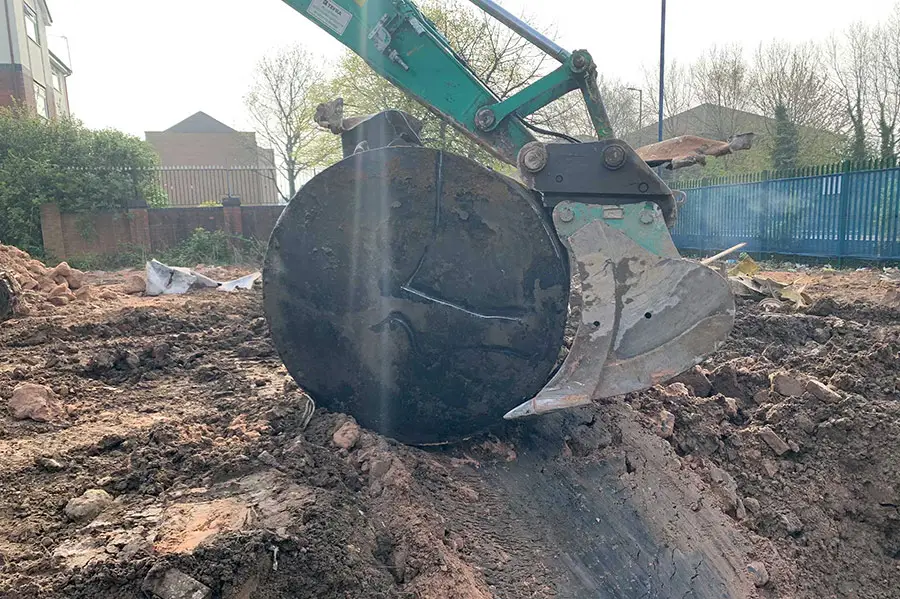
Once the tank has been exposed safely, it can be lifted out or removed in sections where access is limited. In some cases, this is the most practical way to reduce disruption.
Remediation Support
If contamination is found, soil remediation, validation and reporting can be arranged. Where needed, this helps support future site use or redevelopment.
When Underground Tank Removal May Not Be the Best Option
Underground tank removal is not always the most practical solution.
In some cases, decommissioning in place may be more suitable, especially where access is difficult or excavation is likely to cause unnecessary disruption.
J W Hinchliffe Tanks can also provide alternative decommissioning methods, including foam filling and concrete filling, where these are the better option for the site.
What We Need to Quote
To quote for underground fuel tank removal, we usually only need a few key details.
In many cases, photos and basic site information are enough for an initial assessment.
- The number of tanks
- Tank size or capacity
- The last product stored
- The level of any remaining contents
- Site access details
- Photos where available
- The site location
Compliance and Industry Standards
Underground tank removal projects must be planned around site safety, environmental risk and any industry-specific approval requirements.
J W Hinchliffe Tanks is a member of PEIMF and APEA, and relevant projects are carried out with the required liaison and approvals where necessary.
In addition, site-specific risk assessments, safe systems of work and environmental controls should always reflect the actual tank contents, site conditions and surrounding infrastructure.
Underground Tank Removal FAQs
Underground tank removal can take anywhere from one day to around a week, depending on the tank size, construction and access. Smaller tanks may be removed quickly, while larger or more complex tanks usually take longer.
Some underground tank removal projects require formal notification before work starts. If the tank has contained petrol, the local petroleum licensing authority may need to be informed.
If a tank is no longer needed, full removal is often the best long-term option. It can reduce future liability and allow the surrounding ground to be assessed properly, although decommissioning in place may still suit some sites.
Removing a redundant underground tank can help reduce environmental and safety risks. It can also support future redevelopment or ongoing site management.
Yes, underground tank removal is safe when it is planned and carried out correctly. Proper cleaning, gas-free preparation, service identification and safe excavation controls are all essential.
We remove underground tanks used for storing fuels, oils, water, solvents and heating oil. The exact removal method depends on the tank contents, construction and site access.
Not always, but remediation may be required if contamination is found. Where needed, J W Hinchliffe Tanks can support remediation, validation and reporting.
The cost of underground tank removal depends on factors such as tank size, access, ground conditions and regulatory requirements. A more accurate quote depends on the site details and expected removal method.
Compliance note
These FAQs provide general UK guidance. However, exact requirements can vary depending on tank contents, site conditions, environmental risk and local authority requirements. Project-specific advice should always be confirmed before work begins.

Nationwide Commercial Tank Services
From Scotland to Cornwall, JWH Tanks delivers top-tier commercial tank services throughout all areas of the UK. Our commitment to nationwide coverage ensures that businesses everywhere can access our expertise. Our coverage includes:
UNDERGROUND TANK REMOVAL
J W Hinchliffe Tanks provides commercial tank services across the UK, including underground tank removal, tank cleaning, decommissioning and related support services.
If you need advice on underground fuel tank removal or the most suitable next steps for your site, contact the team with the tank details and location.
OUR ACCREDITATIONS